

This article is part of a series in which we highlight the key milestones in the development of LOFAR-BG.
LOFAR-BG lays the foundation for a new era of radio astronomy in Bulgaria
Between 2019 and 2021, the LOFAR-BG project was launched with a long-term vision to build Bulgaria’s first professional radio astronomy station as part of the international LOFAR telescope. This is one of the largest scientific infrastructures in Europe in the field of low-frequency radio astronomy, combining dozens of stations and thousands of antennas into a single observational network.
Following its initial presentation to the scientific community and national institutions, LOFAR-BG was included in the National Roadmap for Research Infrastructure (2021–2027), providing a stable strategic framework, long-term vision, and institutional support. This marked a key moment that transformed the project from an idea into a national priority.
During this period, a national consortium was established, bringing together the Institute of Astronomy with NAO, the Technical University of Sofia, Sofia University, and later Shumen University. This collaboration created the foundation for building comprehensive expertise—from fundamental science to engineering and infrastructure development.

At the same time, significant efforts were made to develop human capacity. Through the European STELLAR project, with funding of nearly €900,000, numerous trainings, international workshops, and exchange programs were organized. Bulgarian students, PhD candidates, and young researchers had the opportunity to work with leading experts from ASTRON and DIAS and to participate in real scientific activities.
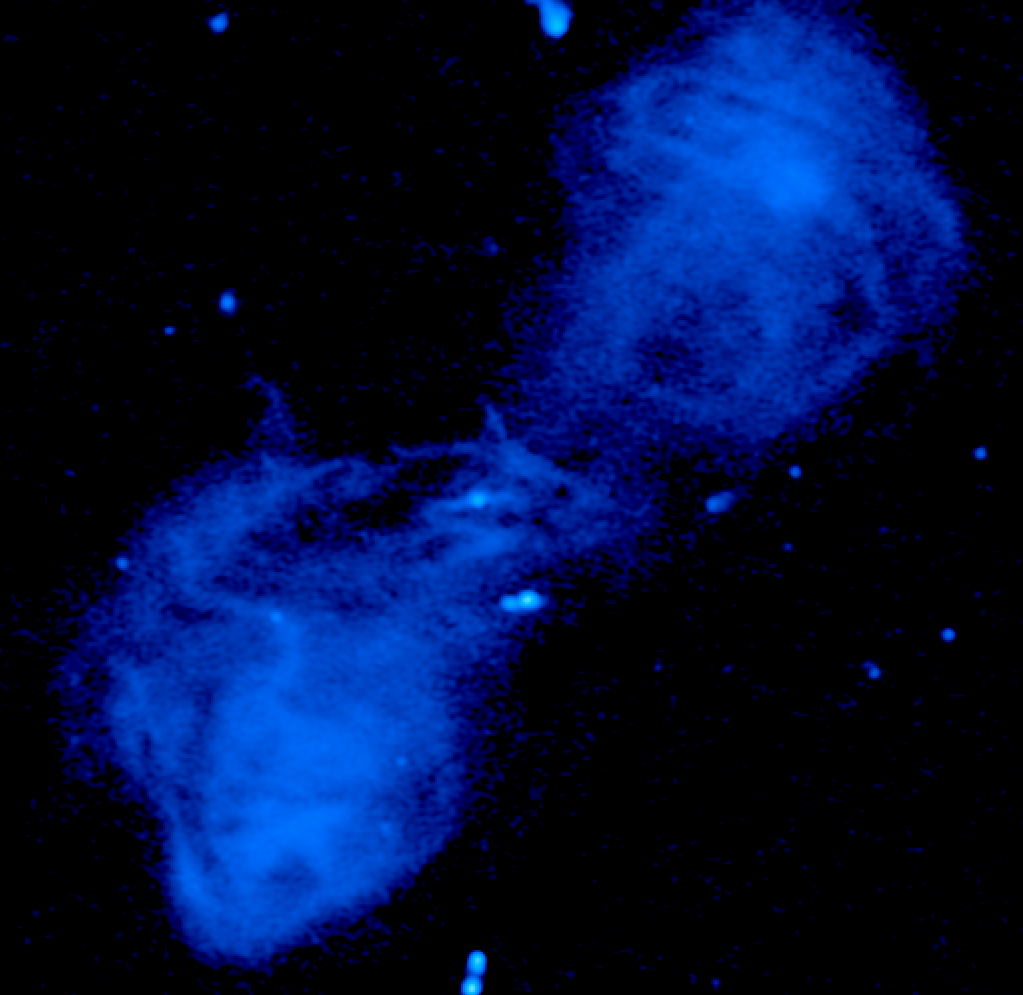
Work with LOFAR data began already at this early stage, allowing the accumulation of practical experience even before the station itself is built. As a result, LOFAR-BG quickly established itself not just as a future infrastructure project, but as an emerging scientific ecosystem already producing results.