

This article is part of a series in which we highlight the key milestones in the development of LOFAR-BG.
2021–2025
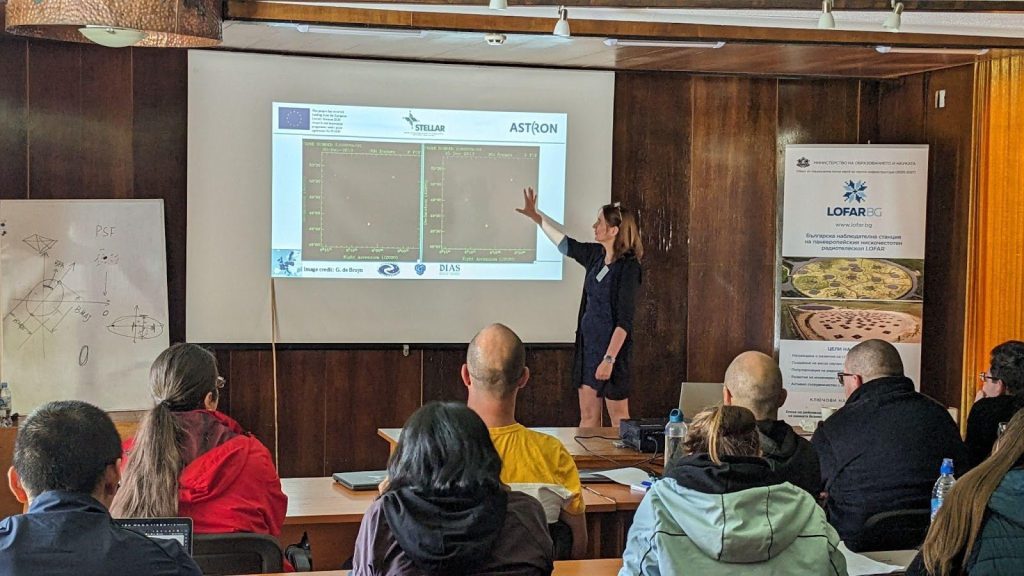
One of the most significant achievements of the LOFAR-BG project is the development of a strong scientific and educational ecosystem around it. Between 2021 and 2025, Bulgarian researchers participated in numerous international conferences, including EGU, LOFAR Family Meeting, and other leading forums. A growing number of scientific papers have been published, including in prestigious journals such as Astronomy & Astrophysics.
Research activities span a wide range of topics—from solar radio bursts to the use of machine learning for the automatic detection and classification of events in radio data. New methods for data analysis are being developed, along with experimental tools and systems created in Bulgaria.
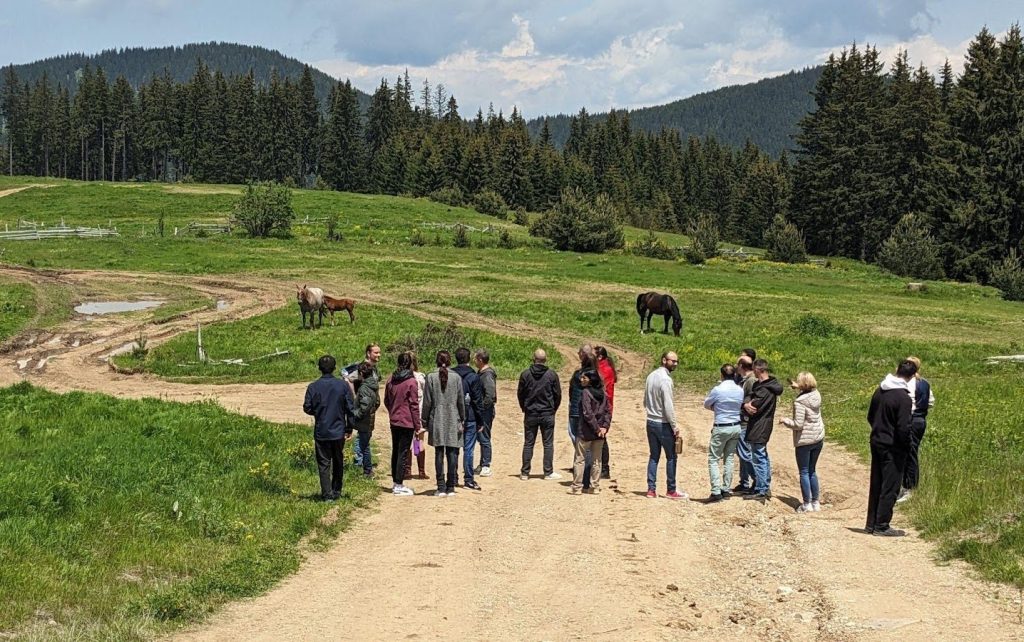
The project also has a strong educational dimension. Numerous trainings, schools, and internships have been organized, including summer internships in 2023 and 2025. Students and PhD candidates are already working actively with real LOFAR data, while new university courses in radio astronomy are being introduced.
LOFAR-BG is also reaching a wider audience through science festivals, public lectures, media appearances, and educational initiatives. The project is inspiring students and young people to pursue careers in science and technology, demonstrating that Bulgaria can be part of the world’s most advanced scientific projects.
Looking ahead to 2026
Looking ahead to the next phase of development, in the summer of 2026 LOFAR-BG will offer new opportunities for young researchers through a dedicated summer internship program. The program will give students, PhD candidates, and early-career researchers the chance to take part in the construction of the first LOFAR station in Southeast Europe, to be installed near NAO Rozhen. Participants will gain hands-on experience working with real scientific infrastructure in an international environment, while engaging with cutting-edge technologies in radio astronomy.
LOFAR-BG is no longer just a future station—it is a living scientific community that is already growing and producing knowledge even before the first observations begin.